A Taste of Morocco: Must-Try Dishes for Food Lovers
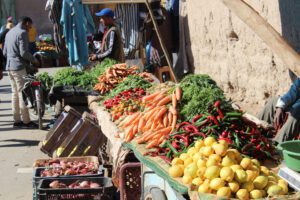
Moroccan cuisine is a feast for the senses, known for its rich flavors, vibrant colors, and aromatic spices. Drawing from Berber, Arab, Andalusian, and French influences, Morocco’s culinary heritage offers a wide range of dishes that are as diverse as the country itself. From hearty tagines and fluffy couscous to sweet pastries and refreshing mint tea, Moroccan food is an unforgettable experience for any food lover. This guide will introduce you to some of the must-try dishes that define Morocco’s culinary identity.
1. Tagine: Morocco’s Signature Dish
No trip to Morocco would be complete without sampling a traditional tagine. Named after the earthenware pot in which it’s cooked, a tagine is a slow-cooked stew made with meat (often lamb or chicken), vegetables, dried fruits, and a blend of spices. The unique shape of the tagine pot helps to trap steam, allowing the ingredients to cook slowly and absorb all the flavors.
•Varieties of Tagine:
•Lamb Tagine with Prunes: This classic combination of tender lamb, sweet prunes, and a touch of cinnamon creates a delicious balance of sweet and savory.
•Chicken Tagine with Preserved Lemons and Olives: A favorite across Morocco, this dish features chicken cooked with tangy preserved lemons and briny green olives, offering a burst of flavor with every bite.
•Highlight: The slow-cooking process of the tagine allows the spices to infuse the dish, making it incredibly aromatic and flavorful. It’s typically served with Moroccan bread to soak up the rich sauce.
2. Couscous: A Staple of Moroccan Cuisine
Couscous is a traditional Berber dish made from steamed semolina grains, often served with meat, vegetables, and a flavorful broth. In Morocco, couscous is typically eaten on Fridays, after the midday prayer, and is often shared among family and friends.
•Popular Couscous Dishes:
•Couscous with Seven Vegetables: A hearty dish featuring fluffy couscous topped with a variety of vegetables such as carrots, zucchini, turnips, and cabbage, along with tender lamb or chicken.
•Sweet Couscous with Raisins and Almonds: A sweeter version of couscous that includes raisins, caramelized onions, and a sprinkling of cinnamon and sugar for a delightful contrast of flavors.
•Highlight: The versatility of couscous makes it a staple in Moroccan households. It’s often served during special occasions and celebrations, symbolizing unity and togetherness.
3. Harira: A Hearty Soup with a Cultural Twist
Harira is a rich and flavorful soup made from tomatoes, lentils, chickpeas, and a variety of spices such as ginger, turmeric, and cinnamon. It’s traditionally served during Ramadan to break the fast and is often accompanied by dates and chebakia (a sweet pastry).
•What to Expect: Harira has a thick, hearty consistency and is often enjoyed as a starter before the main meal. The combination of earthy lentils and chickpeas, along with the fragrant spices, makes this soup both comforting and satisfying.
•Highlight: Harira is not only delicious but also deeply rooted in Moroccan culture, representing warmth, hospitality, and the importance of family gatherings during Ramadan.
4. Pastilla: A Sweet and Savory Delight
Pastilla (also known as bastilla) is a unique Moroccan dish that combines sweet and savory flavors in a flaky pastry. Traditionally made with pigeon (though chicken is commonly used today), the filling is seasoned with a mixture of spices, almonds, and eggs, and the entire dish is wrapped in thin layers of warqa dough (similar to phyllo dough).
•What to Expect: The contrast between the crispy, flaky exterior and the rich, spiced filling makes pastilla a memorable dish. It’s typically dusted with powdered sugar and cinnamon, adding a sweet touch to the savory meat filling.
•Highlight: Pastilla is often served during special occasions, such as weddings and celebrations, making it a true showstopper of Moroccan cuisine.
5. Moroccan Mint Tea: The National Drink
Moroccan mint tea, known as atay or Maghrebi mint tea, is more than just a drink—it’s a symbol of Moroccan hospitality and a key part of social gatherings. Made with green tea, fresh mint leaves, and sugar, Moroccan tea is served throughout the day, often accompanied by pastries or dates.
•What to Expect: Moroccan tea is traditionally prepared by boiling green tea leaves and then steeping them with fresh mint and sugar. The tea is then poured from a height into small glasses, creating a frothy top.
•Highlight: Drinking tea in Morocco is a ritual, and it’s often enjoyed slowly over conversation with friends and family. The refreshing taste of mint combined with the slight bitterness of green tea makes it both soothing and invigorating.
6. Mechoui: Slow-Roasted Lamb
Mechoui is a traditional Moroccan dish of slow-roasted lamb, typically prepared for special occasions and feasts. The lamb is seasoned with a blend of spices, including cumin, coriander, and garlic, and roasted until it’s tender and falling off the bone.
•What to Expect: Mechoui is often served with Moroccan bread, which is used to scoop up the tender meat. The smoky, spiced flavor of the lamb, combined with its melt-in-your-mouth texture, makes this dish a favorite at celebrations.
•Highlight: In Morocco, mechoui is often roasted in outdoor ovens, giving the lamb a unique smoky flavor that adds depth to the dish.
7. Moroccan Sweets: Chebakia and M’hanncha
No Moroccan meal is complete without indulging in some traditional sweets. From syrup-drenched pastries to delicate almond-filled delights, Moroccan desserts are a must-try for anyone with a sweet tooth.
•Chebakia: A popular pastry during Ramadan, chebakia is made from dough that is twisted into intricate shapes, fried until golden, and then soaked in honey and sprinkled with sesame seeds.
•M’hanncha: Known as the “snake cake” for its coiled appearance, m’hanncha is a dessert made from almond paste wrapped in layers of warqa dough. It’s often flavored with orange blossom water and dusted with powdered sugar.
•Highlight: Moroccan sweets are often enjoyed with mint tea, creating a perfect balance of flavors—sweet, fragrant, and refreshing.
Why Morocco’s Cuisine is a Must-Try for Food Lovers
Moroccan cuisine is a reflection of the country’s rich history, diverse cultures, and deep connection to its land and people. The use of spices, fresh ingredients, and time-honored cooking techniques makes every dish a celebration of flavor. Whether you’re enjoying a savory tagine, a sweet pastilla, or a refreshing glass of mint tea, Moroccan food offers a unique culinary journey that will leave a lasting impression.
1. A Blend of Flavors
Moroccan cuisine seamlessly combines sweet, savory, and spicy elements, creating dishes that are complex, aromatic, and deeply satisfying. The careful use of spices, herbs, and fresh ingredients is what sets Moroccan food apart.
2. A Cultural Experience
Dining in Morocco is not just about the food—it’s about the experience. Sharing a meal with friends and family is an essential part of Moroccan culture, and the hospitality that accompanies every dish is what makes the experience truly special.
Savor the Flavors of Morocco with a Custom Culinary Tour
Ready to embark on a culinary adventure through Morocco? Whether you’re interested in learning how to cook traditional Moroccan dishes or simply want to enjoy the country’s best cuisine, I can help you plan a custom culinary tour that will take your taste buds on an unforgettable journey.
Feel free to contact me via email at contact@saharatoursmarocco.com or send me a message on WhatsApp at +212 670 914 659.
Ma’assalama,

Mohammed Ben Ayad