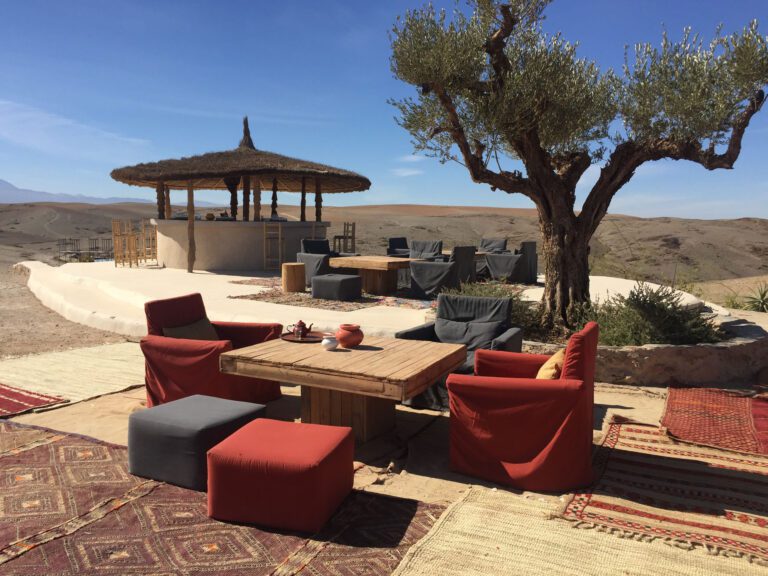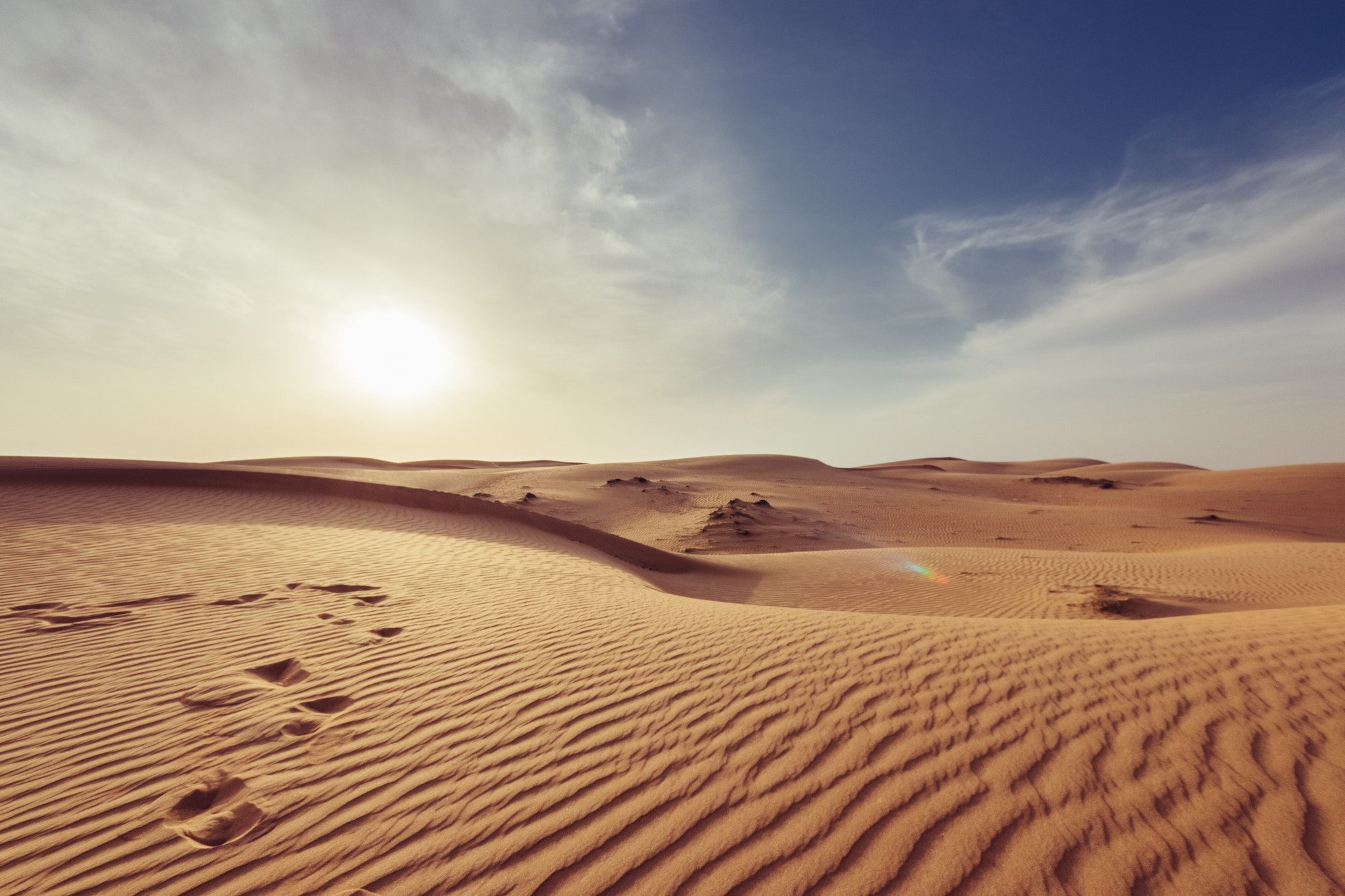
The authentic charm of the Moroccan desert
- Departure
- Hours
- Duration
- Price
- Book now
An adventure to incredible landscapes and millennia-old cultures
Morocco, a country shrouded by deserts, majestic mountains, and enchanting beaches, is still inhabited by Berber nomads who cherish the region’s age-old traditions.
The vibrant energy of the medina, with its labyrinthine alleyways, will lead you to charming souks and wonderful riads, offering an authentic and immersive experience.
From the towering dunes of the Sahara Desert to the spectacular peaks of the High Atlas, Morocco attracts both adventure-seeking tourists and hikers eager to explore breathtaking scenery.
The majestic landscapes of this northern region combine as harmoniously as the colorful tapestries you can discover in local cooperatives, giving you a true sensory journey.
The hills, including the High Atlas, the Rif Mountains, and the hills leading up to the striking Saharan oases, offer simple and wonderful pleasures, such as admiring a night sky dotted with twinkling stars or enjoying a panoramic view of fluffy clouds from the Tizi Mountain pass.
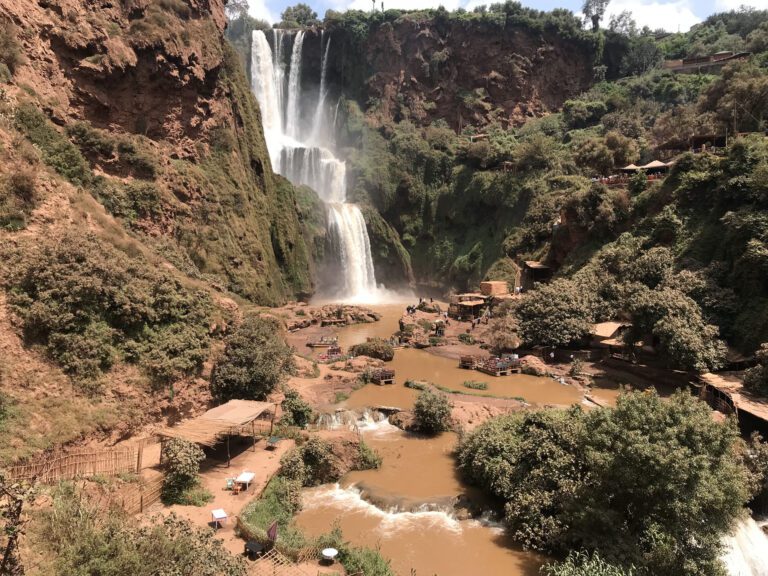
In addition to this, you can be enchanted by the rugged coastlines, enchanting waterfalls, lush hills and majestic deserts.


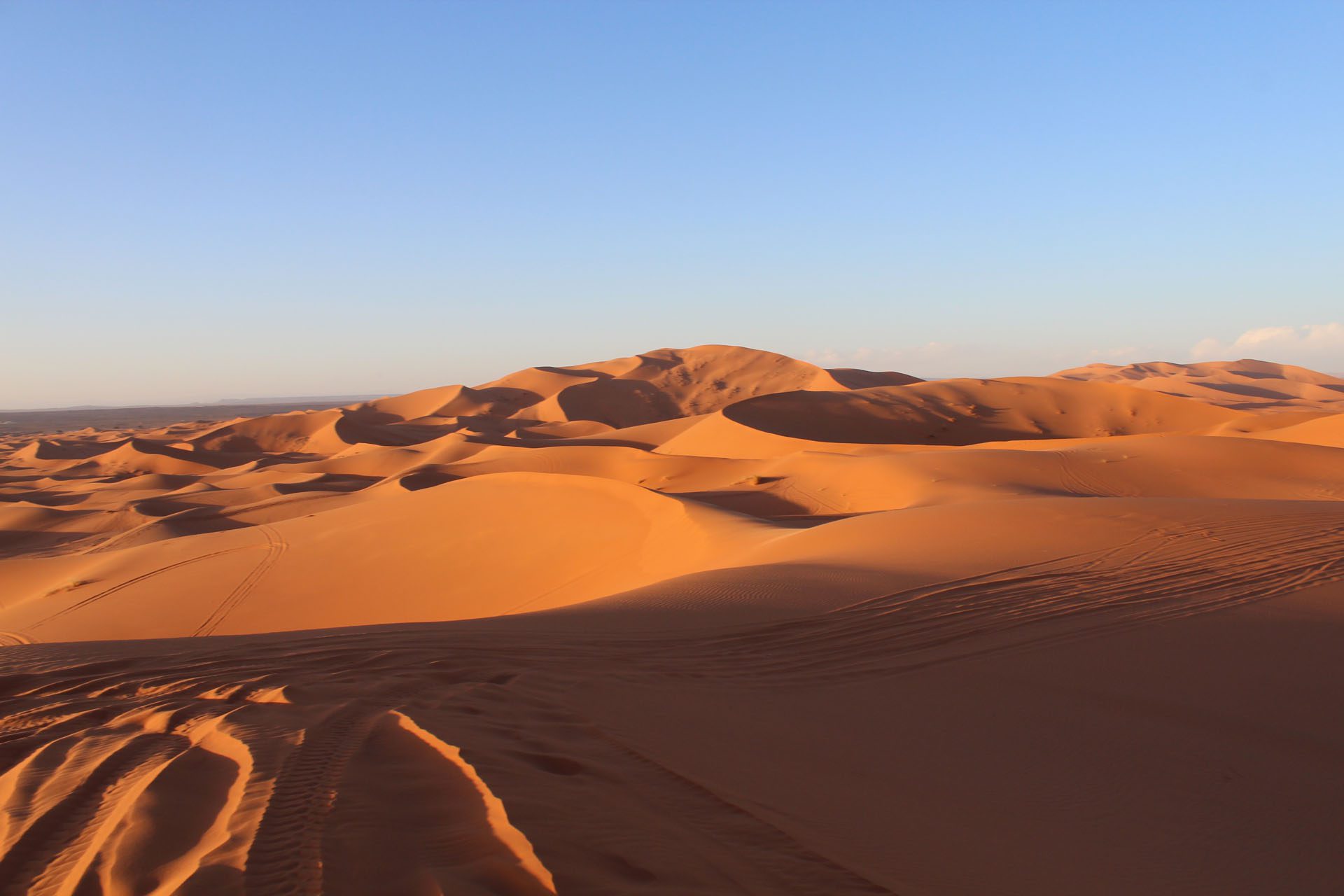

For more than a millennium, the Moroccan desert has been “the gateway to the Sahara,” shaped by trans-Saharan trade and imbued with an atmosphere rich in history and culture.
The hot, desert climate of the Moroccan desert, characterized by long (June to September) and extremely hot summers and short (January) winters, offers clear skies and a significant temperature range between day and night. The sun shines constantly throughout the year, giving bright, energy-filled days.
This dry and arid desert climate limits the presence of animal and plant life. However, some animals, such as fennec, gerboa, vipers, scorpions, beetles, shiners, and donkeys, manage to survive in these extreme conditions, but it is the dromedaries that play a major role for the nomads, who use them for their travels. The presence of gazelles and jackals is increasingly rare due to the proximity of humans.
Today, the population of the Moroccan desert consists mainly of settled nomads, Sahrawi peoples, and northern peoples such as Arabs and Berbers.
The Sahrawis, known as inhabitants and nomads of the Sahara Desert, are camel herders and conductors of a rich and fascinating culture. Their traditional habitat is the Khaima tents, and the common language is Hassanya. Tribes form an important bond within Sahrawi culture, based on kinship ties.
Over the past 40 years, the nomadic lifestyle has declined sharply in Morocco due to various concomitant factors, such as policies of sedentarization, years of drought that caused the loss of livestock in the Drâa Valley, the creation of borders that hindered movement, and the construction of the El Mansour dam in Ouarzazate.
Despite all this, some nomads continue to engage in dromedary and goat herding, keeping ancient traditions alive. Their daily lives revolve around herding activities, with regular travel and careful management of resources.
Nomadism still requires specific knowledge, such as the ability to move in immense spaces and extreme environments, judicious resource management, geographical, climatic, botanical and zoological knowledge, and above all, extraordinary orientation skills.
Come discover the magic of the Moroccan desert, where wilderness and ancient cultures intertwine, offering a unique experience in the heart of adventure.